
Janez Pristavec
1947 – 2008
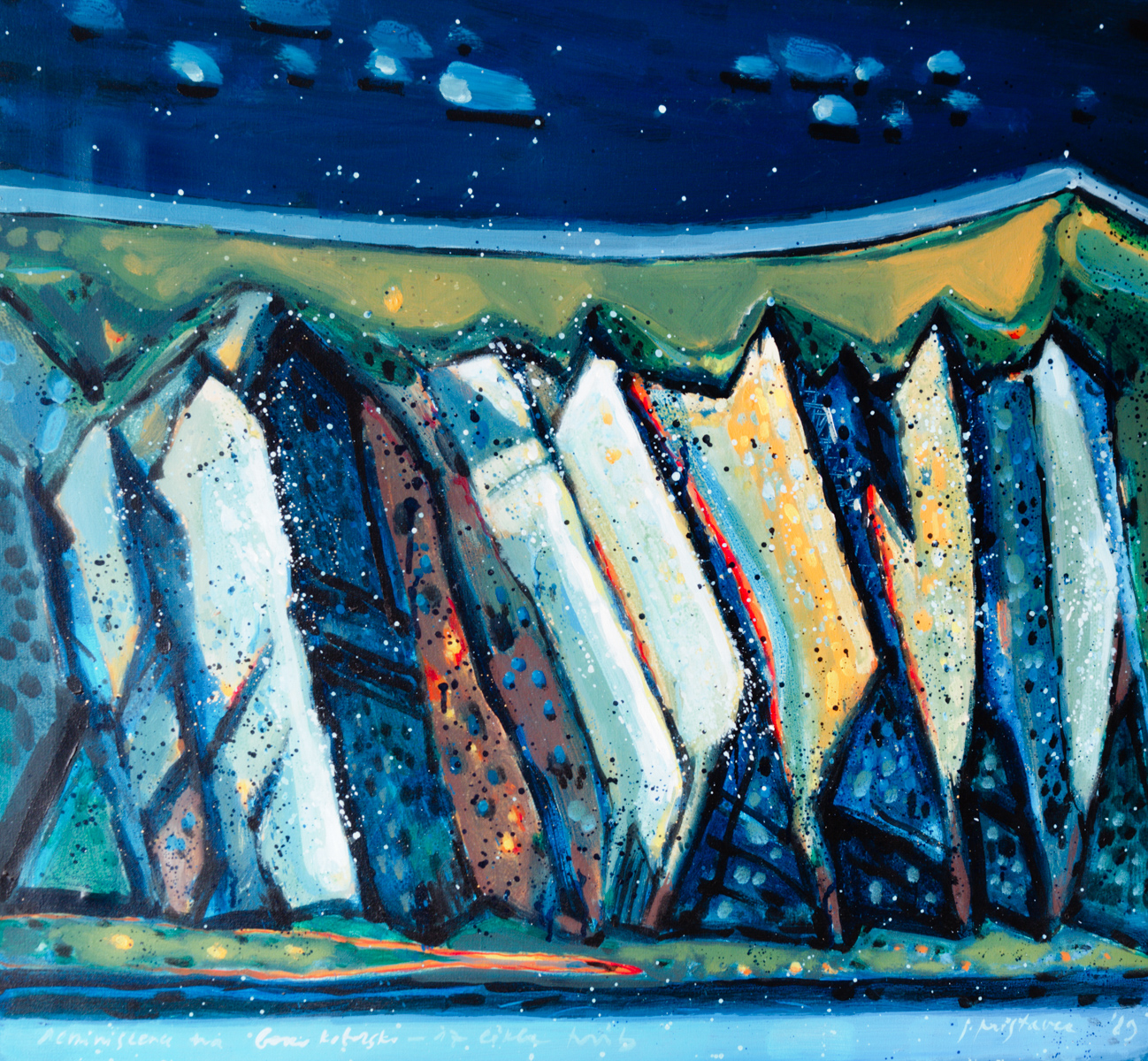
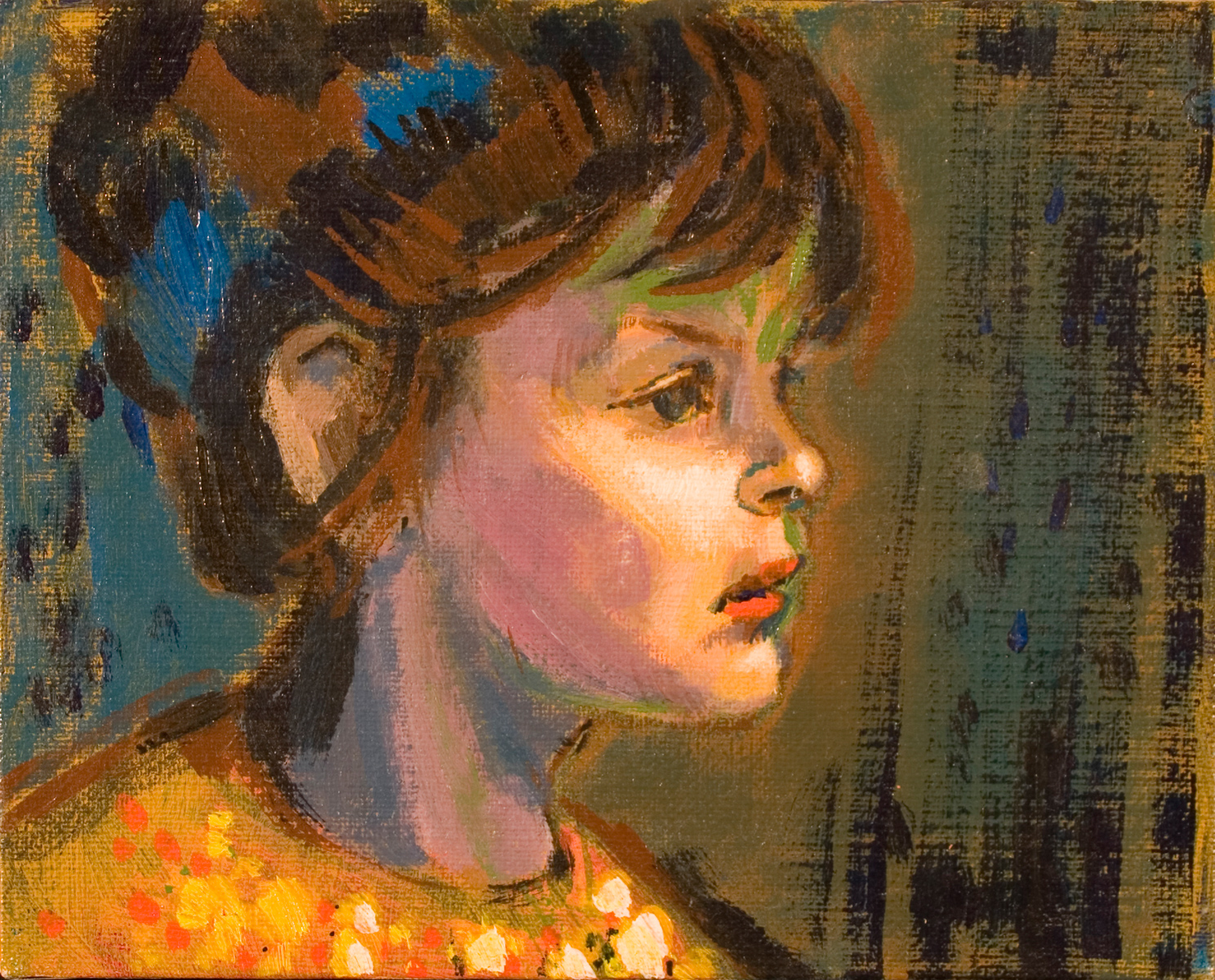
Janez Pristavec was a Slovenian painter, printmaker and art teacher whose work developed through a sustained investigation of colour, line, material surface and the human figure. His extensive oeuvre encompasses painting, drawing and printmaking, as well as portraits, caricatures and works created during public encounters.
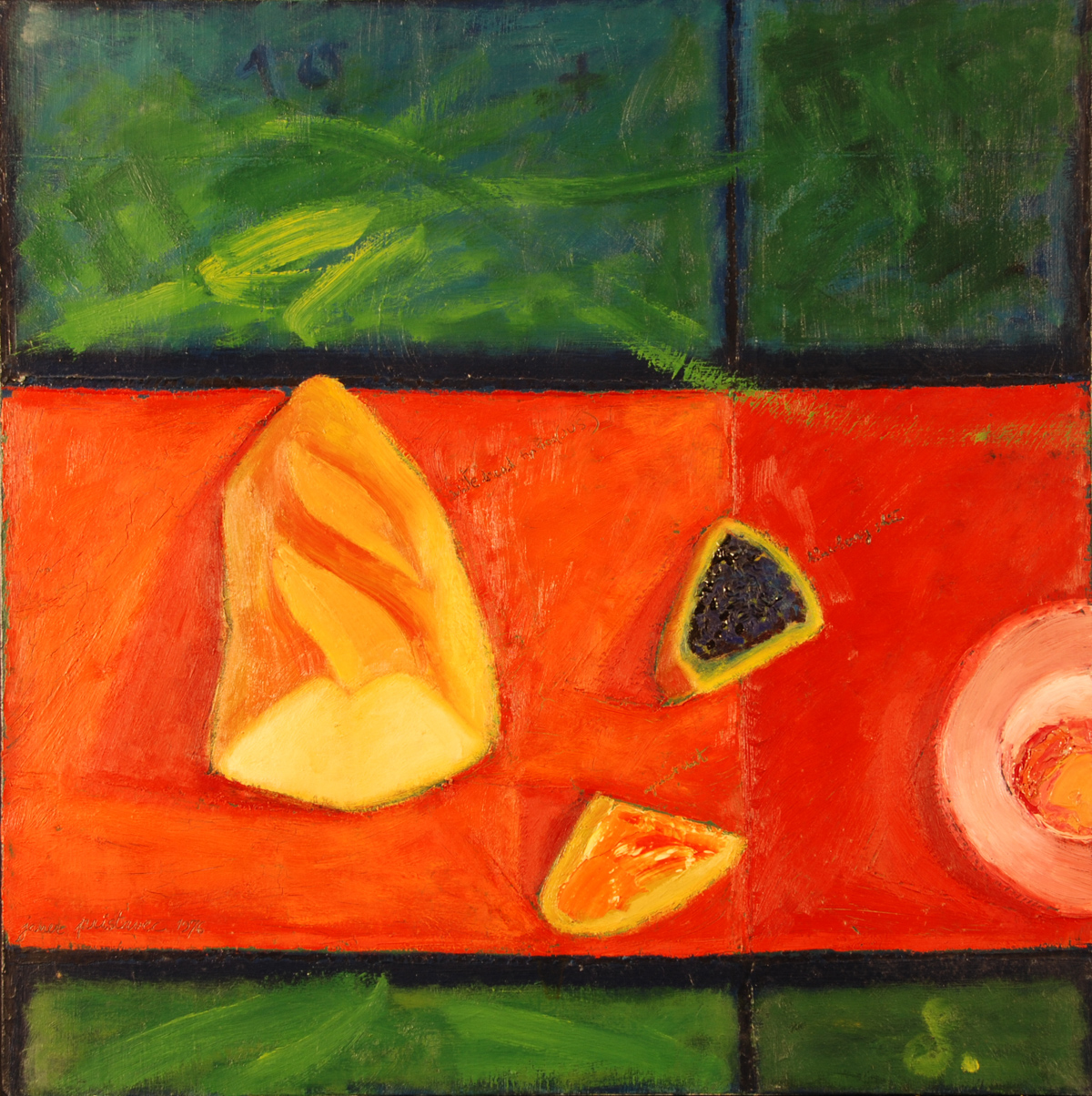
Rather than following a simple sequence in which one style replaced another, Pristavec repeatedly returned to a group of fundamental subjects: the human face and body, animals, landscape, still life, the city of Maribor and, in his final years, mythology. Each return transformed the subject. Observation could lead towards abstraction, abstraction could generate a new figure, and a recognisable face could be reduced to a chromatic structure or a few decisive lines.
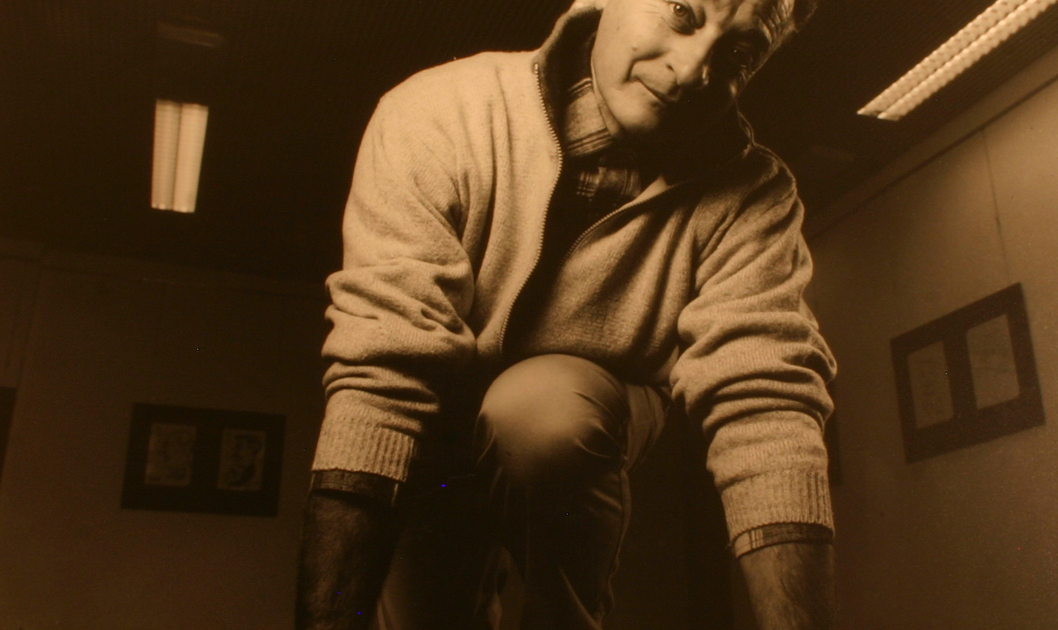
Pristavec was born in Maribor on 27 March 1947. After years of independent drawing and graphic experimentation, he enrolled at the Academy of Fine Arts in Ljubljana in 1973 and graduated in 1977. His professors included Janez Bernik, Bogdan Borčič, Milan Butina, Zoran Didek, Nikolaj Omersa, Štefan Planinc, Marjan Pogačnik, Gabrijel Stupica and Apolonijo Zvest. He subsequently lived and worked in Maribor and was a member of the Maribor Society of Fine Artists and the Association of Slovene Fine Artists. These educational and professional details are also recorded by the Maribor Art Gallery.
Alongside his independent artistic practice, Pristavec worked as an art teacher. He participated in approximately forty solo and eighty-five group exhibitions in Slovenia and abroad. Maribor remained the geographical and cultural centre of his life, yet his work engaged with broader currents of post-war European painting, modernist colour research, expressive figuration and the renewed interest in painting during the 1980s and 1990s.
Formative Years and Academy Studies
Pristavec began drawing during childhood. His early surviving works include landscapes, architecture, portraits, self-portraits, plants and scenes from Maribor and its surroundings. These drawings already demonstrate sustained attention to spatial organisation, proportion and the expressive possibilities of line.
Before entering the Academy, he explored pencil and ink drawing, drypoint, linocut and other graphic techniques. This period of largely independent study gave him considerable technical confidence before the beginning of his formal education.
At the Academy of Fine Arts, observational drawing was joined by the analytical study of anatomy, movement, descriptive geometry and colour relationships. His student works include studies of shells, animal bodies, the human skeleton and the female nude. They reveal an artist learning to understand the visible world not only through resemblance but through construction: the organisation of weight, rhythm, volume and internal structure.
The nude became one of his principal fields of experimentation. Initially grounded in observation, it was gradually simplified into planar and geometric relationships. Naturalistic colour gave way to stronger chromatic contrasts, while the body increasingly functioned as a structure through which Pristavec could investigate the relationship between figure and pictorial field.
Printmaking and Figural Transformation
During the late 1970s and early 1980s, Pristavec devoted considerable attention to printmaking. Linocuts, woodcuts and drypoints frequently depict animals, especially fish, frogs, reptiles and birds. The animal body offered a meeting point between close observation, symbolic meaning and formal transformation.
At the same time, the human figure became increasingly unstable. In the 1981 cycle Množice (Crowds), bodies expand, contract and merge into compact organic formations. Perspective is distorted, anatomy is exaggerated and the boundary between an individual figure and a collective mass becomes uncertain.
These drawings should not be understood merely as preparatory studies. They form an autonomous cycle in which line becomes capable of generating bodily volume, movement and psychological tension. Their deformed figures also anticipate Pristavec’s later interest in masks, hybrid beings and mythological bodies.